



On June 28, 2026, the EU moved the CBAM transitional reporting obligation for steel products into active implementation, requiring third-country suppliers exporting steel and structural steel products into the EU to file quarterly carbon emissions data through the CBAM portal. The change matters not only to manufacturers, exporters, and traders handling hot-rolled coil, H-beams, angle steel, and related product lines, but also to procurement, customs clearance, and delivery coordination across the supply chain, because non-compliant reporting can directly affect clearance and market access.
What Has Entered Mandatory Execution
The confirmed change is that, from June 28, 2026, the EU requires all third-country suppliers exporting steel and section products to the EU to submit quarterly carbon emissions reports through the CBAM portal.
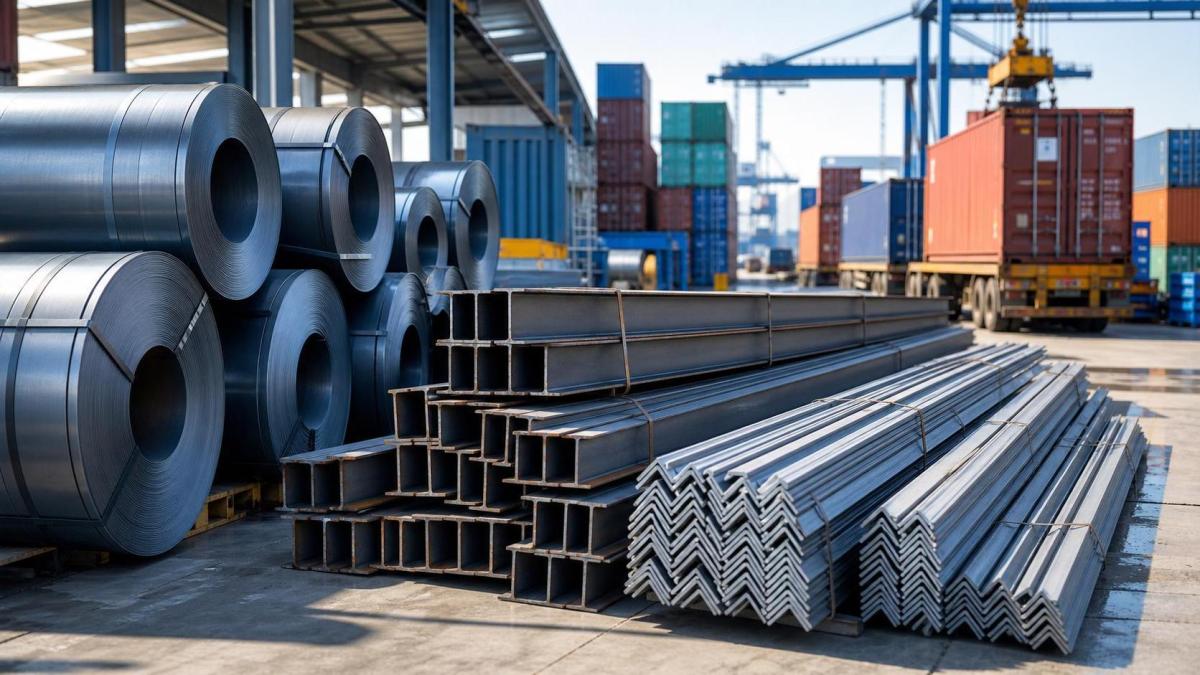
The scope described in the provided event summary covers major steel and section categories including hot-rolled coil, H-beams, and angle steel.
The affected parties include third-country suppliers such as Chinese manufacturers, exporters, and traders.
The stated compliance consequence is also clear: failure to report in line with the requirement may affect customs clearance and access to the EU market.
Where the Pressure Will Be Felt in Daily Business
Export transactions now carry a reporting gate
From an industry perspective, direct export businesses are likely to feel the impact first because the rule is tied to shipments entering the EU market. The practical change is that carbon emissions reporting is no longer a peripheral issue for steel sales into the EU; it becomes part of the transaction conditions that can influence whether goods move smoothly through customs and remain eligible for market entry.
What deserves closer attention is the alignment between commercial shipment planning and quarterly CBAM reporting obligations. Export teams will need to watch whether product classification, reporting preparation, and delivery timing remain consistent enough to avoid interruptions at the clearance stage.
Manufacturing and processing links face document readiness pressure
For processing and manufacturing companies supplying the covered steel categories, the immediate issue is less about headline policy awareness and more about whether emissions-related information can be organized in a form suitable for portal submission. Analysis shows that the reporting obligation may shift internal attention toward product-level data collection, supporting records, and the handoff of technical and compliance information to export-facing teams.
Even where the event summary does not specify detailed submission standards, businesses involved in hot-rolled coil, H-beams, angle steel, and similar items should treat documentation readiness as a live operational issue rather than a later-stage administrative task.
Traders and channel intermediaries may carry higher coordination risk
Observably, traders and circulation businesses may face a particular coordination challenge because they often sit between upstream production and downstream export execution. Where reporting is mandatory but product and emissions information sits with another party, the risk is not only incomplete paperwork but also delays in obtaining the data needed for quarterly filings.
In practice, these companies should pay attention to supplier qualification, document availability, and contractual clarity around who provides emissions-related reporting inputs for covered shipments.
Procurement and supply chain service teams cannot stay outside the rule change
For procurement functions and supply chain service providers, the issue is not that they become the policy target, but that they may need to adjust supplier screening, order scheduling, and shipment documentation workflows around a new compliance checkpoint. Where steel products are destined for the EU market, procurement decisions may increasingly need to consider whether the supplier can support CBAM reporting requirements in time for delivery execution.
This also means delivery planning and supply continuity may depend more heavily on upstream reporting preparedness than before.
What Companies Should Watch Now
Keep compliance review tied to covered product categories
Analysis shows that businesses should first confirm whether their exported steel and section products fall within the product groups described in the event summary, especially major categories such as hot-rolled coil, H-beams, and angle steel. This is a basic screening step for deciding which transactions may require closer CBAM reporting attention.
Check whether reporting materials can support quarterly submission
What deserves closer attention is whether the company already has the internal records, technical files, and supporting materials needed for quarterly carbon emissions reporting through the CBAM portal. The provided information does not define the full documentary standard, so this should be treated as an area for continued verification rather than an already settled execution rule.
Review trade and delivery exposure around customs clearance
Because the reported consequence of non-compliance includes possible effects on customs clearance and market access, export businesses should assess which pending or recurring EU-bound shipments could face operational exposure if reporting preparation is incomplete. The immediate concern is not abstract policy risk, but potential disruption to shipment release, delivery timing, and customer fulfillment.
Follow later wording, practice, and market response carefully
Observably, the current event provides a clear execution signal on mandatory reporting, but it does not provide the full operational detail on filing interpretation, supporting evidence standards, or how market participants will adapt in practice. Companies should therefore continue to monitor later official wording, implementation practice, tender document changes, and counterpart expectations.
Why This Reads as an Execution Signal
From an industry perspective, this development is more appropriately understood as a rule entering active operational use rather than a distant policy discussion. The key point is that the reporting obligation is connected to customs clearance and market access, which places it directly into trade execution rather than leaving it as a background sustainability topic.
At the same time, analysis shows that the market still needs to observe how filing expectations, review practice, and business-side coordination develop after the reporting obligation is enforced. That makes this both a landed compliance change and a continuing area of operational interpretation.
How to Read the Current Stage of Change
The immediate industry meaning of this event is relatively clear: for steel and section products entering the EU from third-country suppliers, CBAM quarterly emissions reporting has become a real trade requirement with possible consequences for clearance and access if not handled properly. A neutral reading is that the change should be treated as a concrete compliance threshold for affected export business, while many execution details still require close follow-up through actual market practice.
Basis of This Article and What Still Needs Verification
This article is generated based on the user-provided news title, event date, and event summary. For this type of development, commonly relevant source categories may include official notices, regulatory authority releases, customs or trade administration information, industry association updates, standard-setting documents, and reporting by authoritative media.
No specific official source link was provided in the input, so the underlying official publication path still requires continued verification. Observably, the areas that remain worth tracking include later policy detail, compliance interpretation, tender document changes, market feedback, and how affected companies implement the reporting obligation in practice.

By clicking 'Allow All', you agree to the storage of cookies on your device to enhance site navigation, analyze site usage and assist with our marketing efforts. Coo Cookie Notice
Please give us a message
SHANDONG LUBAO METAL GROUP CO., LTD.