


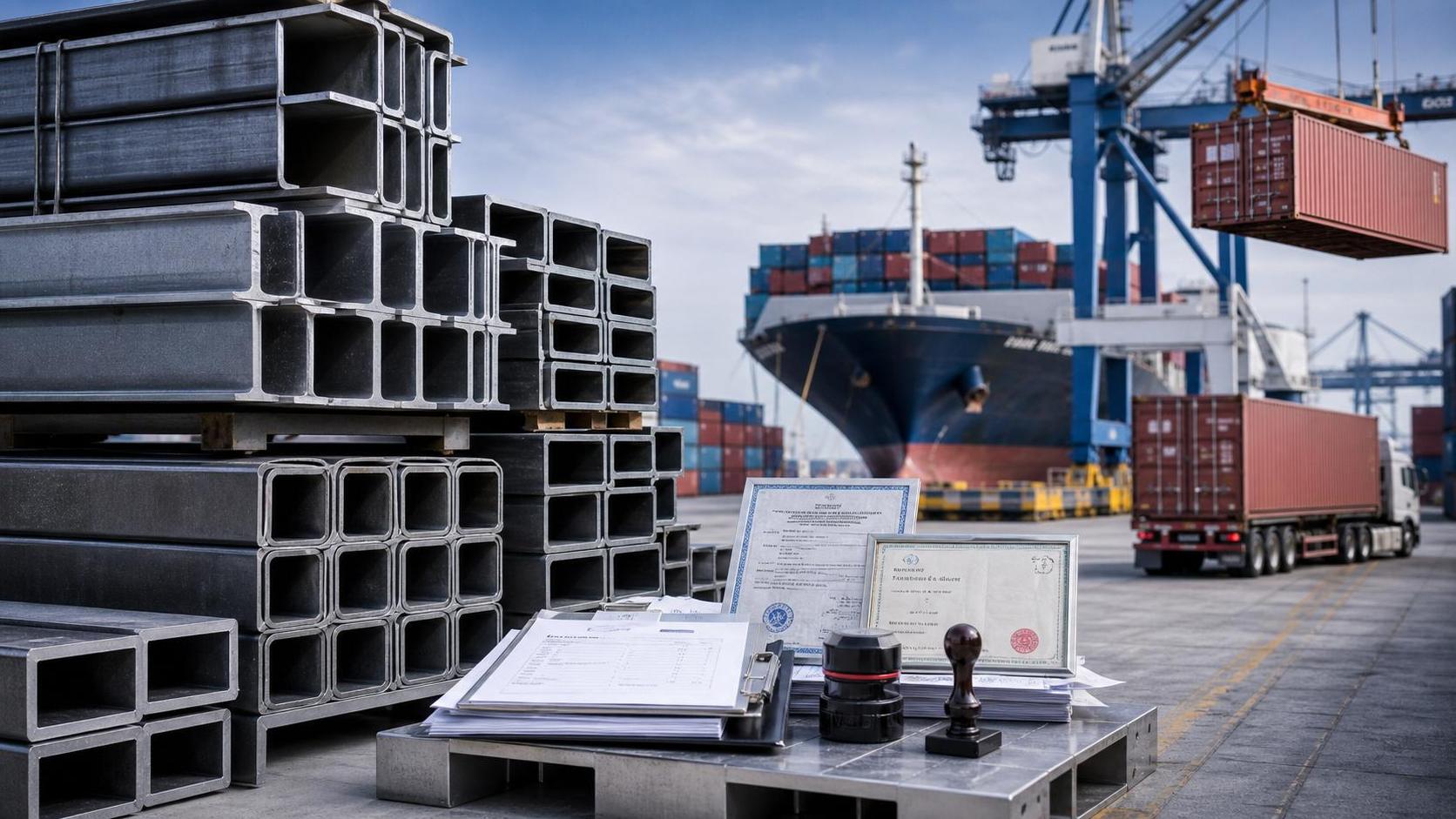
On July 19, 2026, the U.S. Department of Commerce formally opened an annual anti-dumping review covering hot-rolled steel sections from China exported to the United States under HS 7216.10-7216.99. For companies involved in cross-border steel trade, importing, customs handling, and compliance documentation, this matters because the review will affect how rates, eligibility, and paperwork are assessed for shipments tied to the period from April 1, 2025 to March 31, 2026, with practical consequences for pricing, clearance timing, and certification preparation over the next 12 months.
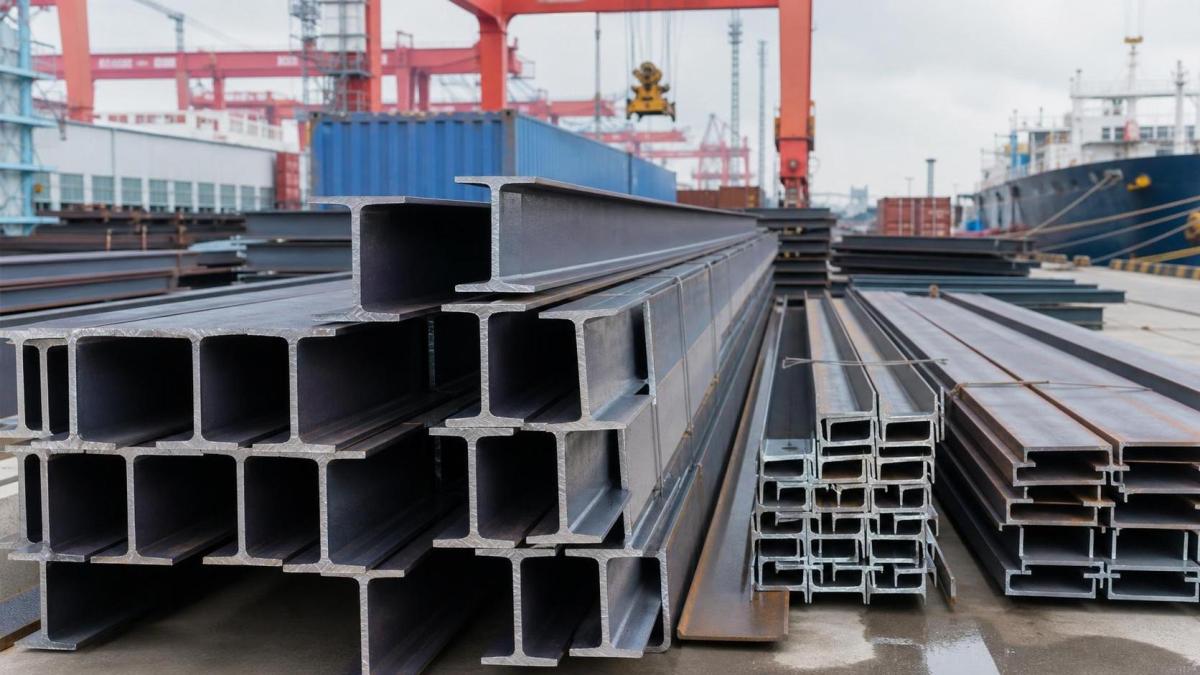
What the review formally covers
The confirmed facts are limited but commercially important. The case was initiated on July 19, 2026 by the U.S. Department of Commerce as an annual anti-dumping review for hot-rolled steel sections from China shipped to the U.S. market. The product scope identified in the provided information falls under HS 7216.10-7216.99, and the review period covers export batches from April 1, 2025 through March 31, 2026.
According to the provided summary, the review will re-determine applicable duty rates, examine exporter and producer eligibility, and assess compliance-related document requirements. The same summary states that the outcome of this process will directly affect export quotations to the U.S., customs clearance timelines, and certification readiness during the coming 12 months.
It is also confirmed that importers are advised to verify the validity of their suppliers' anti-dumping duty identification numbers in advance and allow additional time for compliance checks.
Where the pressure is likely to appear first
Export-facing steel suppliers may see immediate pricing uncertainty
From an industry perspective, exporters and producers shipping covered products to the U.S. are the first group likely to feel the impact. The reason is straightforward: the review explicitly concerns duty recalculation, eligibility status, and document compliance. In practice, that can affect how suppliers prepare offers, structure delivery commitments, and communicate shipment terms for the U.S. market.
What deserves closer attention is not only the rate issue itself, but also whether each exporter or producer can maintain a compliant documentation trail during the review process.
Importers and customs-facing teams will need tighter verification
U.S.-bound import operations may be affected through clearance timing and administrative review steps. The provided information specifically notes that importers should check the validity of supplier anti-dumping duty numbers and reserve more time for compliance review. That means sourcing, trade compliance, and customs coordination teams may need to confirm supplier status earlier than usual before shipment execution.
Observably, the operational risk here is less about a single transaction and more about whether documentation checks begin to slow routine movement of covered goods.
Supply chain service providers may need to adjust timing assumptions
Freight coordinators, customs brokers, and related service providers may also be affected because clearance cycles and certification preparation are identified as areas of direct impact. Even without any confirmed change in final outcomes yet, service providers connected to these shipments may need to account for longer lead times in document review and handoff procedures.
For these participants, the main business issue is coordination risk: when compliance review takes longer, booking, delivery sequencing, and customer updates can become more sensitive.
What companies should watch now
Track the exact scope of supplier eligibility
Analysis shows that exporter and producer qualification is one of the most practical issues in this review. Companies dealing in covered steel sections should pay close attention to whether the suppliers involved in U.S.-bound shipments have valid and current anti-dumping-related identification and supporting records that match the reviewed period.
Separate pricing decisions from final certainty
The provided information confirms that future U.S. export quotations may be affected, but it does not establish a final new rate. Companies should therefore distinguish between current commercial offers and final review outcomes. In operational terms, this means pricing discussions, validity periods, and customer communication may need to reflect a review environment rather than a settled result.
Prepare for longer compliance handling time
What deserves closer attention is the timing impact. Since the review is expected to affect customs clearance cycles and certification preparation, businesses should evaluate whether their existing shipment plans leave enough time for document checks, internal review, and external confirmation. This is especially relevant for transactions where delivery timing is commercially sensitive.
Keep procurement and customer communication aligned
Importers are specifically advised to verify supplier duty number validity in advance. That makes internal alignment important: procurement, sales, trade compliance, and logistics teams should be working from the same supplier status and documentation assumptions. Where customers depend on predictable arrival timing, communication may need to reflect the possibility of additional compliance review time.
Why this should be read as a live process, not a finished outcome
Analysis shows that this development is more appropriately understood as an active procedural step than as a final trade outcome. The confirmed event is the opening of the review, not the conclusion of it. That distinction matters because companies often face business disruption before a formal result is known, especially when pricing, customs timing, and eligibility checks are already under review.
From an industry perspective, this is both a short-term operational issue and a signal that compliance discipline remains central for covered exports to the U.S. It is not yet a confirmed change in ultimate commercial conditions, but it is clearly a development that requires ongoing monitoring.
How to read the significance at this stage
At this stage, the most balanced reading is that the case has entered a review phase with direct implications for trade execution, but without a confirmed final recalculation result presented in the provided information. For steel exporters, importers, and supply chain teams, the immediate issue is preparedness: documentation accuracy, supplier verification, quoting assumptions, and timeline management are now more sensitive than usual.
It is more appropriate to understand this as a developing industry matter that can influence the next 12 months of U.S.-bound business planning, while still requiring further official follow-up before any final market conclusion is drawn.
Basis of this article and points for continued verification
This article is based on the user-provided news title, event date, and event summary regarding the U.S. Department of Commerce opening an anti-dumping annual review on Chinese hot-rolled steel sections on July 19, 2026. For this type of industry update, commonly relevant source categories may include official government notices, company disclosures, industry association updates, authoritative media reporting, and standard-setting or trade-related documentation.
No specific official source link was provided in the input, so the precise official filing text still needs continued verification. Follow-up attention should remain on later official wording, any clarification on eligibility or documentation requirements, and any subsequent determinations that may affect quotations, customs processing, and certification work.

By clicking 'Allow All', you agree to the storage of cookies on your device to enhance site navigation, analyze site usage and assist with our marketing efforts. Coo Cookie Notice
Please give us a message
SHANDONG LUBAO METAL GROUP CO., LTD.